
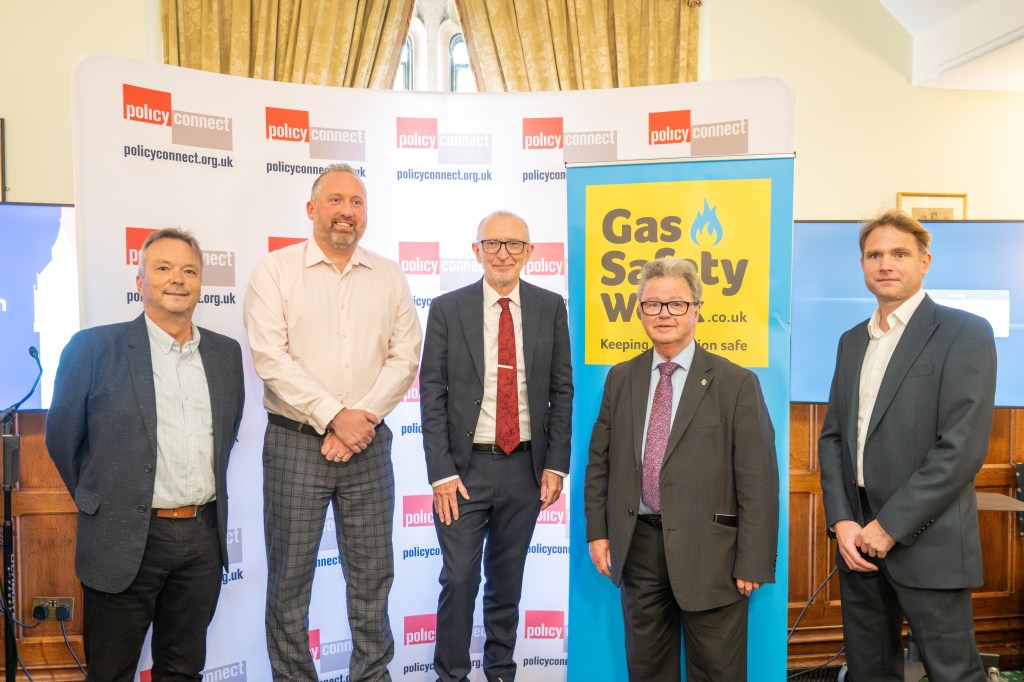
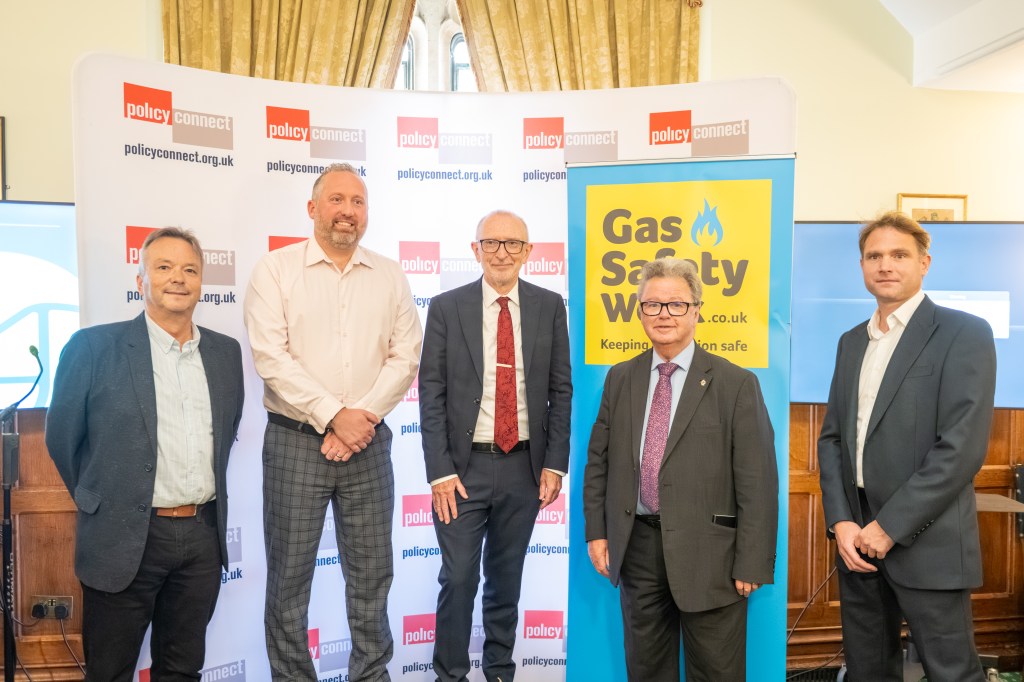
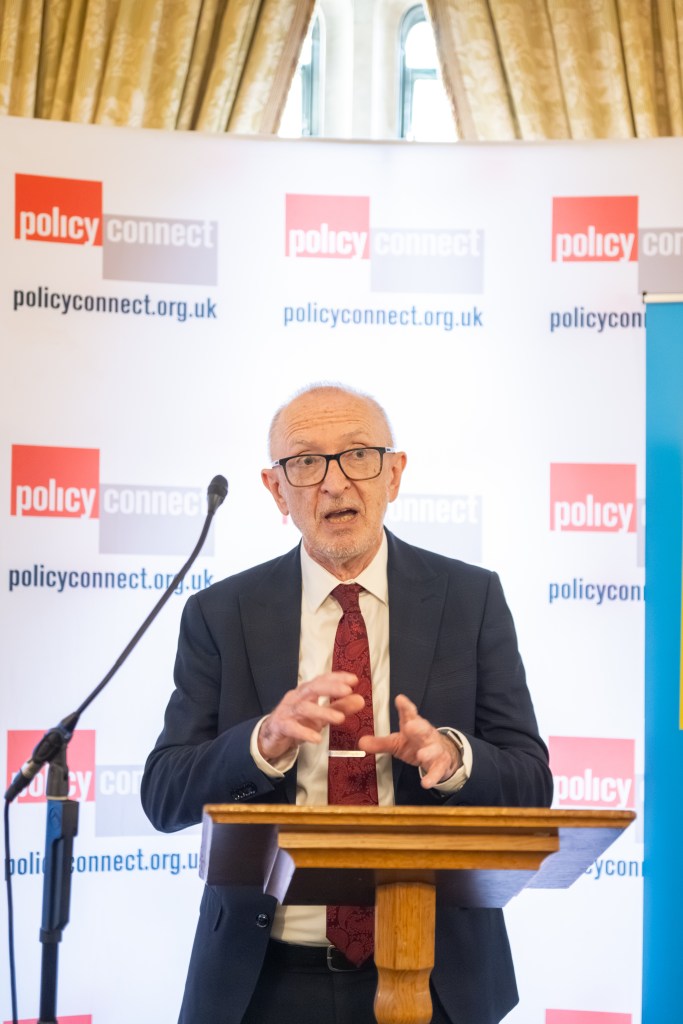
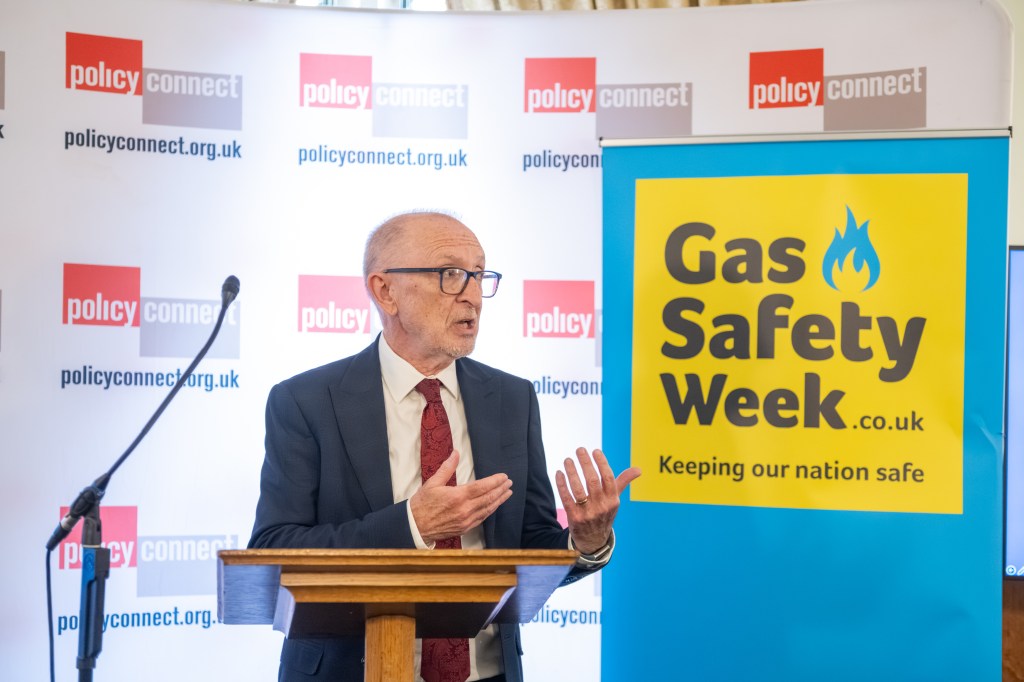
As Chair of the All-Party Parliamentary Carbon Monoxide Group (APPCOG), I am proud to mark Gas Safety Week 2025—a vital annual campaign that shines a spotlight on the importance of gas safety in our homes, workplaces, and communities.
Gas Safety Week is a national call to action. Every year, lives are tragically lost or changed forever due to carbon monoxide (CO) poisoning and unsafe gas practices. These incidents are preventable, and it is our collective responsibility—government, industry, and the public—to ensure that awareness, education, and action remain at the forefront of our efforts.
One of our key priorities is improving public understanding of carbon monoxide risks. CO is a silent killer—colourless, odourless, and often undetected until it’s too late. That’s why we advocate for widespread use of CO alarms, regular servicing of gas appliances, and better reporting mechanisms. We also support initiatives that educate children and families, ensuring that safety knowledge is embedded from an early age.
Despite recent progress in carbon monoxide (CO) safety legislation, there remains significant scope for the UK Government to strengthen its response to this silent killer. Each year, thousands of people are affected by CO poisoning, many unknowingly, due to underdiagnosis and low public awareness .
To address this, the Government should first expand mandatory CO alarm regulations. While current laws require alarms in rooms with fixed combustion appliances, these rules vary across the UK and often exclude gas cookers or holiday accommodations. A unified national standard mandating CO alarms in all homes and short-term lets—regardless of appliance type—would close critical safety gaps.
Second, public awareness campaigns must be scaled up. Many symptoms of CO poisoning mimic common illnesses, making diagnosis difficult. Government-backed education initiatives, including school programmes and targeted outreach in vulnerable communities, could help people recognise the signs and take preventive action.
Third, investment in healthcare training and diagnostic tools is essential. Medical professionals need better resources to identify and treat CO exposure, especially at low levels that can cause long-term harm.
Finally, cross-departmental coordination is key. Agencies across housing, health, energy, and tourism must collaborate to ensure consistent messaging, regulation, and enforcement.
By taking these steps, the UK can significantly reduce the risk of carbon monoxide poisoning and save lives.
As Chair, I am committed to ensuring that our work is transparent, inclusive, and impactful. We are guided by evidence and driven by compassion. Whether it’s influencing government policy, supporting research, or amplifying survivor voices, the APPCOG is here to make a difference.
I urge everyone—homeowners, tenants, landlords, and businesses—to take simple but crucial steps: check your gas appliances, install CO alarms, and use registered engineers. These actions save lives.

 Paul Davies MP